Choosing the Right Primer for Your Painting Project
Choosing the Right Primer for Your Painting Project
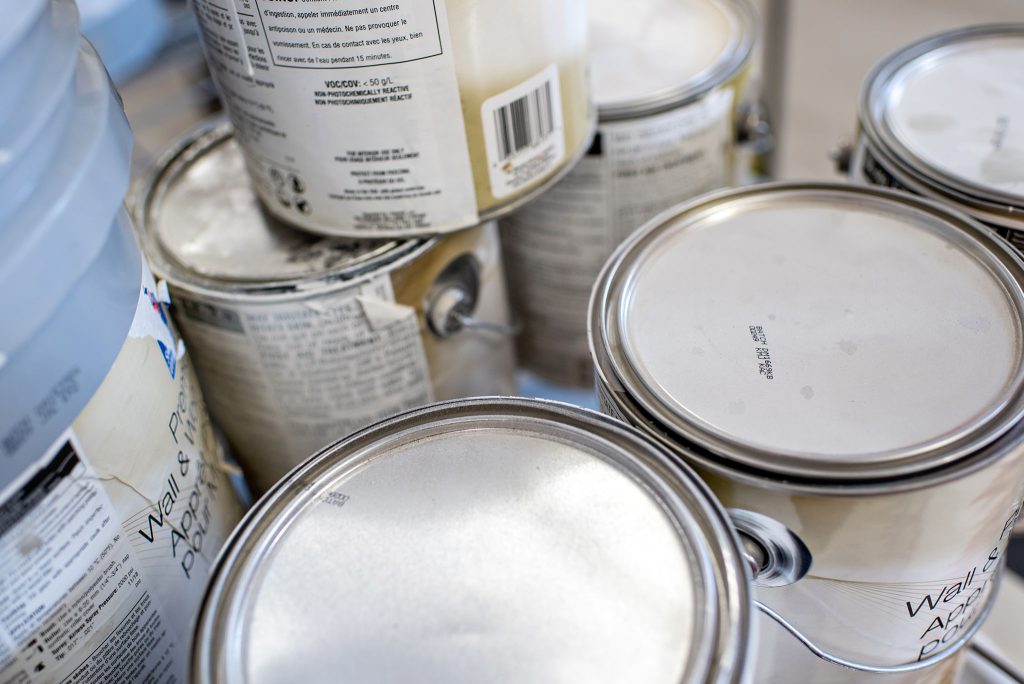
When it comes to achieving a flawless paint job, selecting the right primer is just as important as choosing the paint colour. A primer provides a smooth, uniform surface for paint to adhere to, ensuring durability, even coverage, and the best finish possible. But with so many different types available, how do you choose the right one for your painting project? Here’s a guide to help you navigate the world of primers and make the best decision.
Why Use Primer?
Primers play a critical role in preparing your surface for painting. Here are the key reasons why primer is essential:
- Seals the Surface: Primer seals porous materials such as drywall or wood, preventing the paint from being absorbed unevenly.
- Better Adhesion: It creates a smooth base for the paint to adhere to, reducing the risk of peeling or blistering over time.
- Colour Blocking: Primers are ideal for covering stains or strong colours, preventing them from showing through the new coat of paint.
- Longevity: It extends the life of the paint job by enhancing durability.
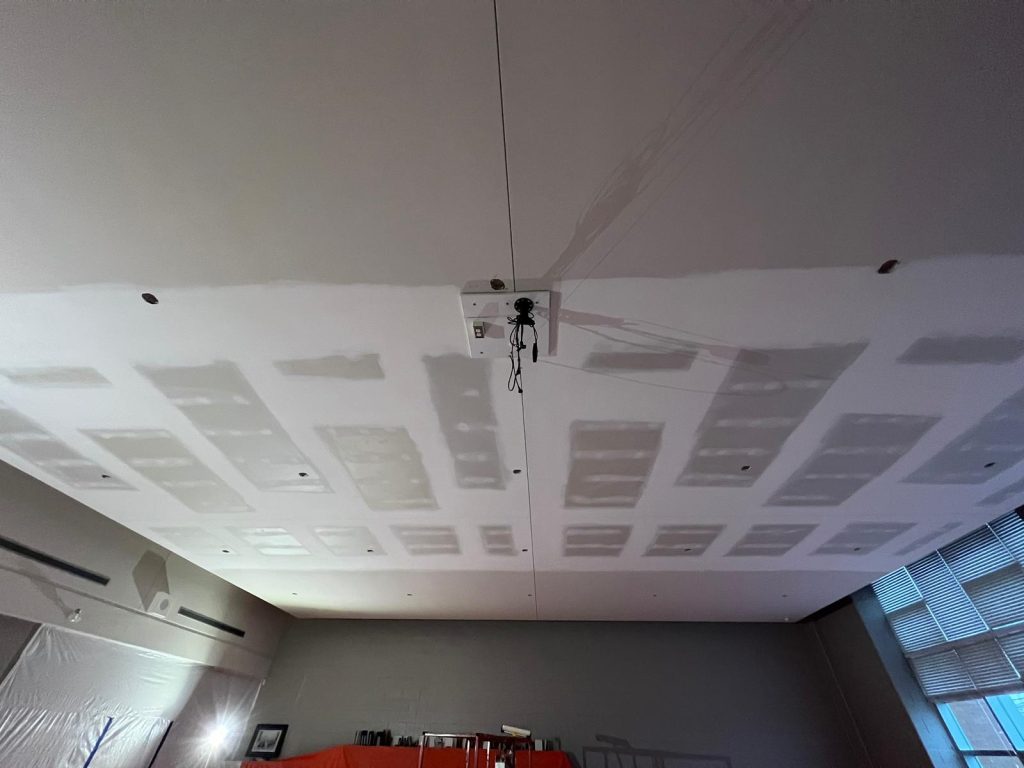
Types of Primers and Their Uses
Different surfaces require different types of primers. Understanding what works best for your project will ensure a professional-looking result.
1. Oil-Based Primers
Oil-based primers are versatile and durable, making them an excellent choice for a variety of surfaces.
- Best For:
-
- Bare wood
- Stained or discoloured walls
- High-traffic areas that require extra durability
- Surfaces exposed to moisture (like kitchens and bathrooms)
- Pros:
-
- Excellent stain-blocking properties
- Great for sealing wood tannins
- Can be used with both oil-based and latex paints
- Cons:
-
- Longer drying times
- Requires solvent-based cleaning (such as paint thinner or mineral spirits)
2. Latex-Based Primers
Latex primers, or water-based primers, are easy to use and quick to clean up with just soap and water.
- Best For:
-
- Drywall
- Brick or masonry
- Areas with minimal stains
- Pros:
-
- Quick-drying
- Low odour and VOCs (Volatile Organic Compounds)
- Easier cleanup
- Flexible and great for areas prone to expansion and contraction
- Cons:
-
- Not as effective at covering severe stains
- May not adhere as well to shiny surfaces like metal or plastic
3. Shellac-Based Primers
Shellac primers are known for their superior stain-blocking ability, making them ideal for tough-to-cover surfaces.
- Best For:
-
- Smoke or water-damaged areas
- Heavy stains from grease, crayon, or ink
- Wood surfaces with knots
- Pros:
-
- Excellent at blocking odours and severe stains
- Fast-drying
- Can be used on a variety of surfaces including metal, plastic, and plaster
- Cons:
-
- Requires solvent-based cleaning
- Has a strong odour during application
How to Choose the Right Primer for Your Project
Now that you know the types of primers, consider the following factors when selecting the one for your project:
- Surface Material: What is the surface you’re painting? Drywall, wood, metal, and masonry all have different needs. Make sure you match the primer to the material.
- Condition of the Surface: Is the surface damaged or stained? Oil-based or shellac primers are ideal for covering up imperfections, stains, and odours.
- Interior vs. Exterior: Some primers are specially formulated for exterior use and provide added protection against the elements. Be sure to choose an exterior-grade primer for outdoor projects.
- Topcoat Compatibility: If you plan to use latex paint, it’s generally safe to use latex primer. However, if you’re going with oil-based paint, you’ll need an oil-based primer or one that is compatible with oil-based finishes.
- Special Circumstances: If you’re painting over glossy surfaces, like tile or laminate, you may need a bonding primer to ensure proper adhesion. There are also primers designed specifically for metal or plastic, which often require special care.
Additional Tips for a Perfect Finish
- Sand Before Priming: Lightly sand the surface before applying primer for better adhesion, especially on glossy or rough surfaces.
- Two Thin Coats: It’s often better to apply two thin coats of primer rather than one thick coat. This helps prevent drips and ensures even coverage.
- Don’t Skip Primer: While some paints offer “paint and primer in one,” they may not be sufficient for heavily stained or uneven surfaces. If in doubt, opt for a separate primer to achieve the best results.
Conclusion
Choosing the right primer for your painting project can make a significant difference in the final outcome. Whether you’re repainting a bedroom, tackling an outdoor fence, or restoring a water-damaged wall, the right primer will ensure a smooth, long-lasting finish. Take the time to select the best primer for your surface, and you’ll be rewarded with a professional-quality result.
Happy painting!
HD Painting Contractor Ltd. provides quality painting, staining and vinyl wallpaper installation. We specialise in completing complex projects on time and within budget using the highest quality products available on the market while providing the quality and service you expect from a family-run operation. Call 519.637.0606 or click here to schedule a time to speak with one of our estimators.
05-January-2026
By: HD Painting Contractor Ltd.