Tips for Painting Textured Walls or Ceilings
Tips for Painting Textured Walls or Ceilings
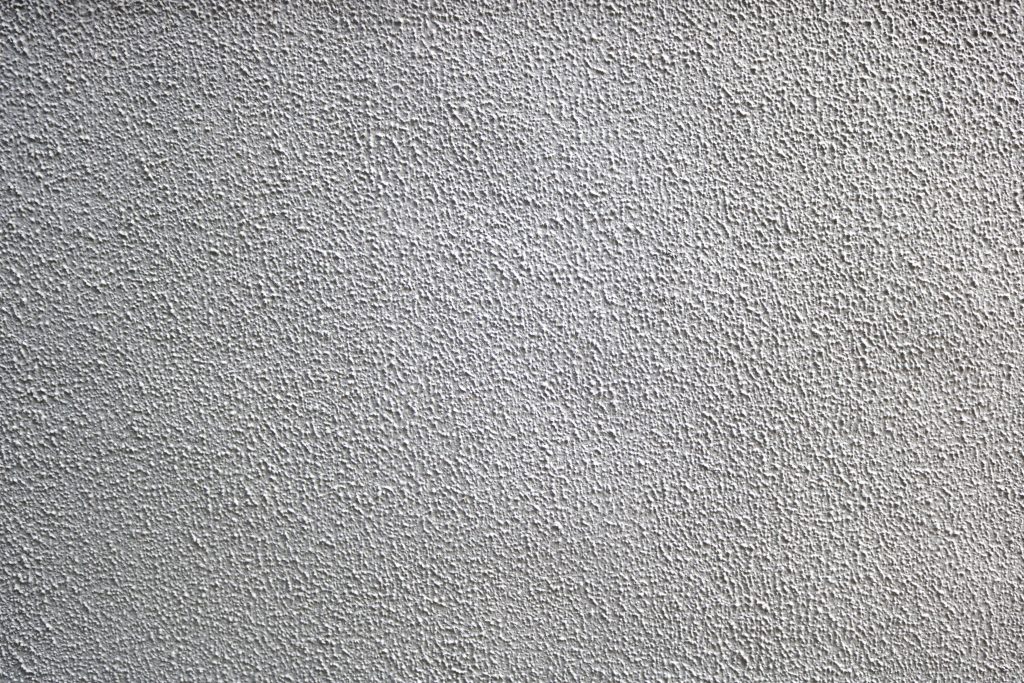
Painting textured walls and ceilings can be a challenging task. The uneven surface adds complexity, but with the right approach, you can achieve a professional-looking finish. Whether you’re refreshing an older surface or adding a new colour, here are some essential tips for painting textured walls or ceilings.
1. Choose the Right Tools
The key to successfully painting textured surfaces is using the appropriate tools. A standard paint brush or roller may not be enough to reach all the nooks and crannies of textured surfaces.
- Rollers: Opt for a thick nap roller, ideally 3/4 inch or more, designed for rough surfaces. These rollers can hold more paint and are better at reaching into crevices.
- Paint Sprayer: If you’re tackling a large area, consider using a paint sprayer. It can provide even coverage and minimise the risk of missed spots on highly textured surfaces.
- Brushes: Use high-quality, angled brushes for edges and corners. For heavily textured areas, consider using a stippling brush for more precision.
2. Prep the Surface
Textured surfaces can collect dirt, dust, and grime over time, which can interfere with paint adhesion. Proper preparation is crucial for achieving a smooth and lasting finish.
- Clean Thoroughly: Use a vacuum or soft brush to remove any loose dust and debris. For walls, you might need to wash them with a mild soap and water solution. Ensure the surface is completely dry before painting.
- Repair Damage: Check for cracks, holes, or flaking paint and make necessary repairs. Patching compounds can help fill in imperfections, but be mindful that smoothing out the texture too much can affect the overall look.
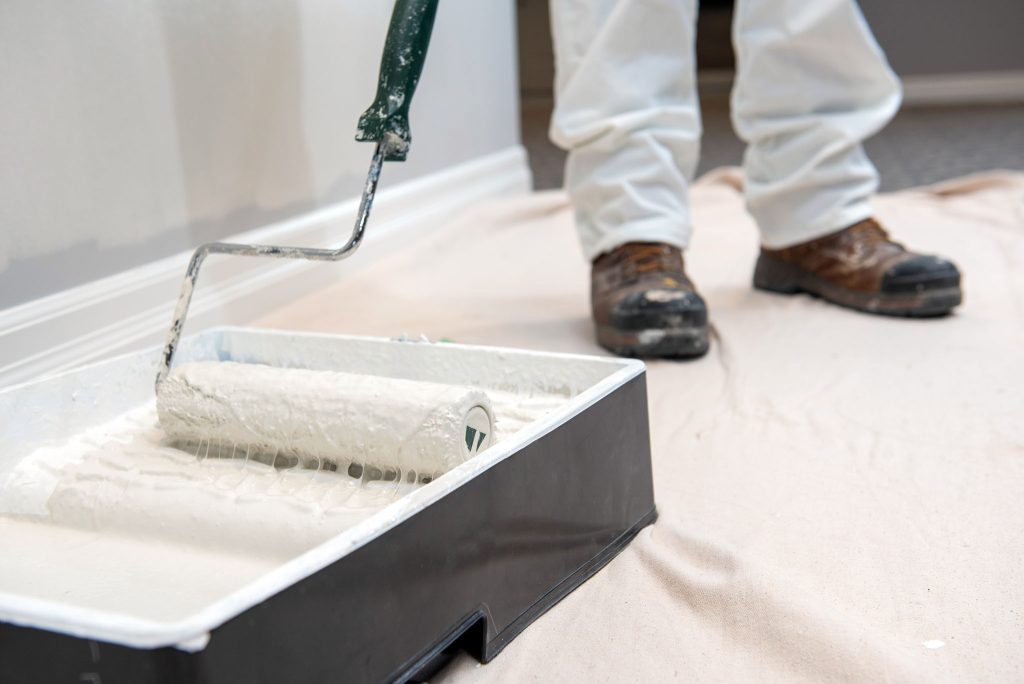
3. Prime Before Painting
Priming is essential when painting textured surfaces. It helps the paint adhere better and ensures an even finish, especially on porous materials like stucco or popcorn ceilings.
- Use the Right Primer: Choose a high-quality primer suitable for textured surfaces. If you’re painting over a dark colour or a stained wall, consider a stain-blocking primer to prevent bleed-through.
- Application: Apply the primer with a roller or sprayer, ensuring even coverage. Allow it to dry completely before proceeding with paint.
4. Choose the Right Paint
Not all paint is suitable for textured surfaces. The right paint choice can make all the difference in achieving a smooth, uniform finish.
- Type of Paint: Latex or acrylic paint works best on textured surfaces as they adhere well and are easy to clean. For ceilings, consider using flat or matte finishes, as they hide imperfections better.
- Sheen: If you want to emphasise the texture, opt for a satin or semi-gloss finish. However, if you prefer to downplay the texture, a flat or eggshell finish is more forgiving.
5. Apply Paint Correctly
When it’s time to paint, a few key techniques can ensure the best possible outcome for your textured walls or ceilings.
- Roller Technique: When using a roller, apply the paint in a “W” or “M” pattern to cover the surface evenly. Avoid pressing too hard, as this can cause the roller to skip over the texture.
- Multiple Coats: Textured surfaces often require more than one coat for full coverage. Allow each coat to dry thoroughly before applying the next.
- Cutting In: When cutting in around edges and corners, use a brush with a dabbing motion to ensure paint reaches all areas of the texture.
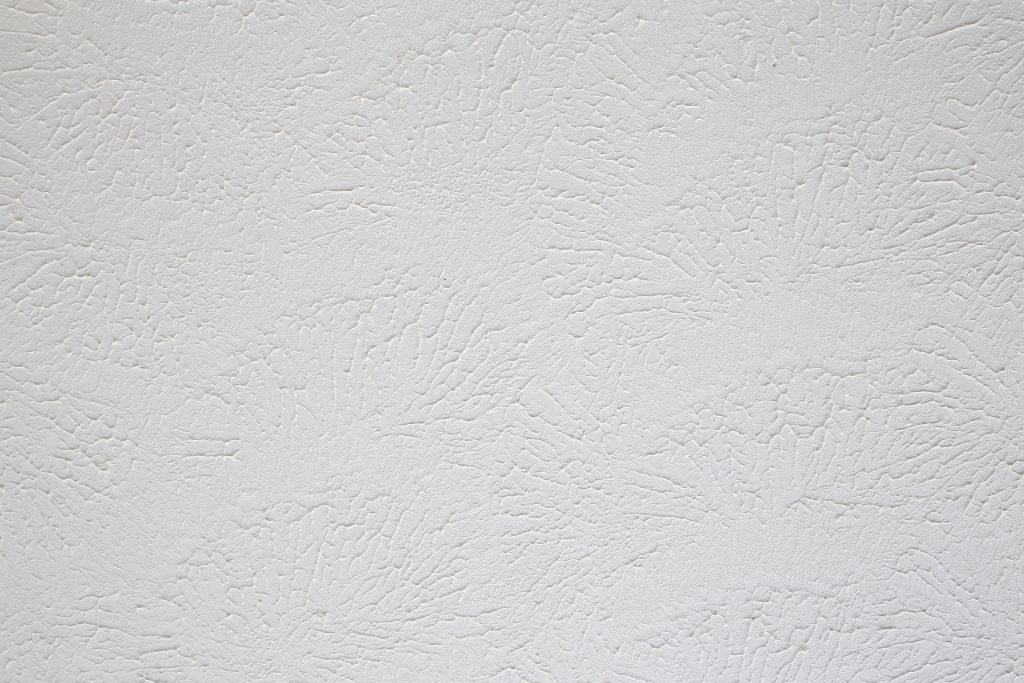
6. Take Your Time
Painting textured surfaces takes more time and patience than painting flat ones. Don’t rush the process. Working slowly and methodically ensures better coverage and a more professional result.
- Break it Down: If you’re tackling a large area, break the project into sections. This allows for better focus and reduces fatigue.
- Inspect as You Go: After each section, step back and inspect your work for missed spots. Catching these early can save time in the long run.
7. Safety Considerations
Painting ceilings, in particular, requires careful attention to safety. Make sure you’re using the right equipment and taking proper precautions.
- Ladders and Scaffolding: Use sturdy ladders or scaffolding to reach high areas. Ensure they are stable and placed on an even surface.
- Ventilation: Painting in a well-ventilated area is important, especially when using primers and paints with strong fumes. Open windows and use fans to improve airflow.
Conclusion
Painting textured walls and ceilings might seem daunting at first, but with the right tools, materials, and techniques, you can achieve a professional-looking finish. Preparation is key—clean, prime, and repair your surfaces before diving into painting. Choose the right paint and tools to handle the texture, and take your time during the application process. With patience and care, your textured walls or ceilings will have a fresh, beautiful new look.
HD Painting Contractor Ltd. provides quality painting, staining and vinyl wallpaper installation. We specialise in completing complex projects on time and within budget using the highest quality products available on the market while providing the quality and service you expect from a family-run operation. Call 519.637.0606 or click here to schedule a time to speak with one of our estimators.
11-August-2025
By: HD Painting Contractor Ltd.