Preventing Mould and Mildew Growth on Painted Surfaces: A Complete Guide
Preventing Mould and Mildew Growth on Painted Surfaces: A Complete Guide
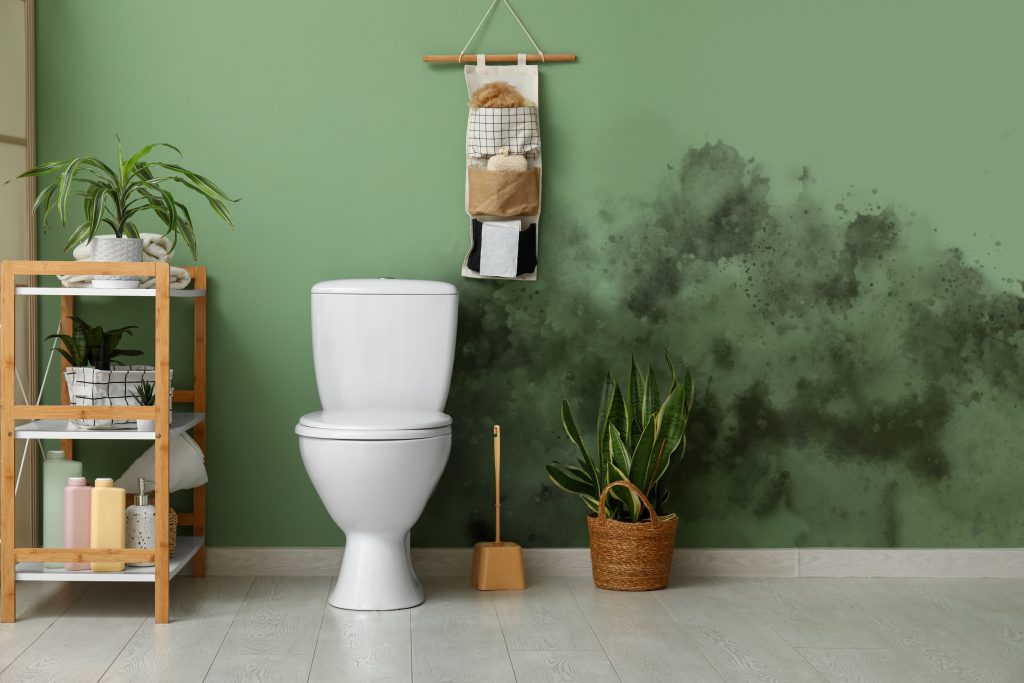
Mould and mildew are persistent, unsightly issues that can damage painted surfaces and harm indoor air quality. If left unchecked, they can stain walls, create unpleasant odours, and even contribute to health problems. Fortunately, there are effective ways to prevent mould and mildew growth, keeping your painted surfaces fresh and clean. Here’s a guide to protecting your home or workspace from these pesky invaders.
1. Understanding Mould and Mildew
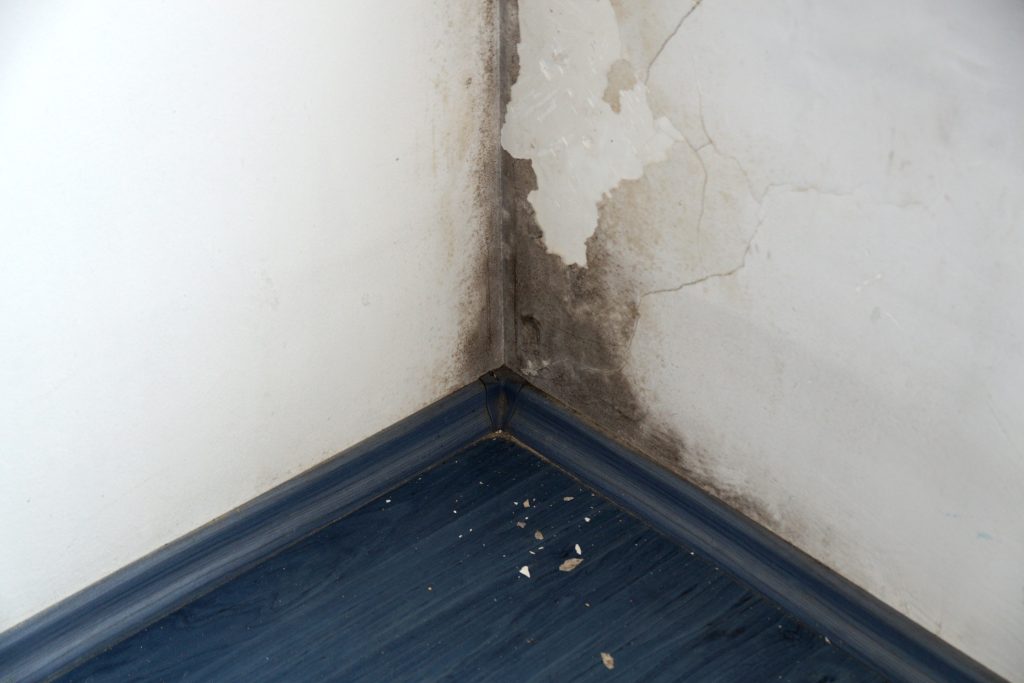
Before diving into prevention, it’s helpful to understand what mould and mildew are. Both are types of fungi, but mildew typically grows flat and appears as a powdery white or grey residue on surfaces, while mould is usually darker, fuzzier, and can grow in a variety of colours. Both thrive in damp, warm environments and can spread rapidly if conditions are right.
2. Causes of Mould and Mildew Growth on Painted Surfaces
Several factors can create the perfect environment for mould and mildew:
- Humidity: High indoor humidity (above 60%) is one of the primary contributors to mould and mildew growth.
- Poor Ventilation: Lack of airflow allows moisture to accumulate, especially in rooms like bathrooms, basements, and kitchens.
- Water Leaks: Leaks from plumbing, roofs, or windows can introduce moisture into walls and other surfaces, creating an ideal spot for mould and mildew.
- Inadequate Insulation: Cold spots on walls can cause condensation, especially in winter, leading to potential mould and mildew growth.
3. How to Prevent Mould and Mildew on Painted Surfaces
Preventing mould and mildew requires addressing the moisture issues in your environment and choosing the right paint and maintenance strategies. Here are some tips:
Choose Mould-Resistant Paint
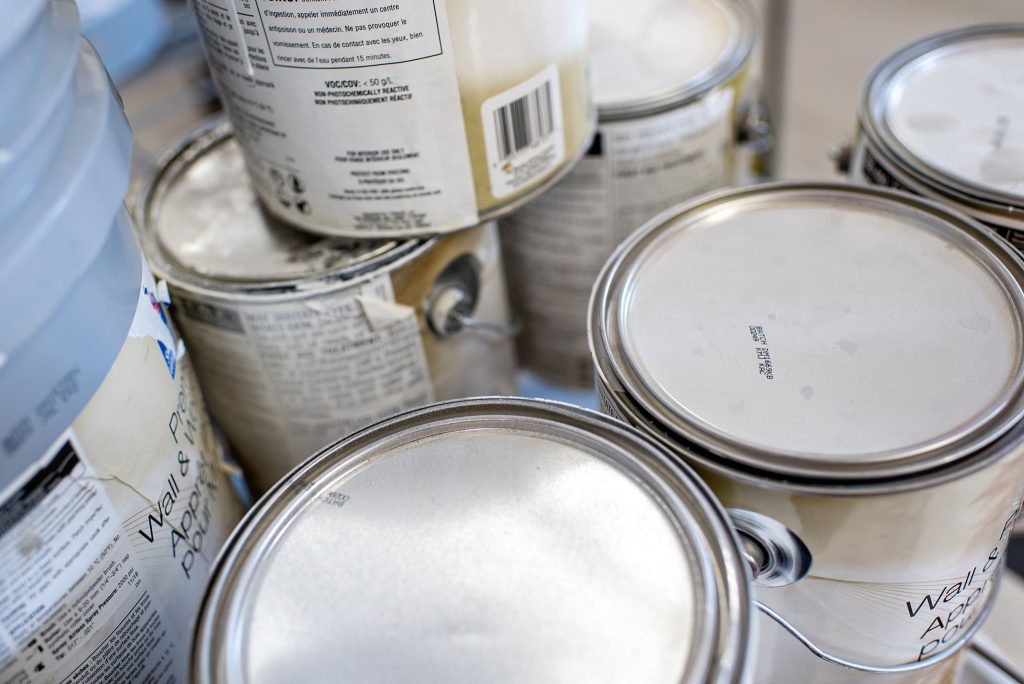
Modern technology has made it possible to purchase mould- and mildew-resistant paints that are specially formulated to inhibit fungal growth. These paints contain antimicrobial additives that can slow down or prevent mould and mildew from establishing a foothold.
- Best areas for mould-resistant paint: Bathrooms, kitchens, laundry rooms, and basements.
- Additional benefits: Some mould-resistant paints are also washable, making it easier to clean the surfaces if any buildup does occur.
Control Humidity Levels
Using a dehumidifier is one of the most effective ways to reduce the moisture in your home or workspace. Aim to keep indoor humidity levels between 30% and 50%. If you notice windows fogging up or surfaces feeling damp, consider using a dehumidifier to draw out excess moisture from the air.
Ventilate Properly
Proper airflow is essential in preventing mould and mildew. Use exhaust fans in high-moisture areas, especially in the bathroom and kitchen, to help circulate air and keep surfaces dry. If you don’t have exhaust fans, consider opening windows after cooking or showering to let the steam escape.
Repair Leaks Promptly
A leaking pipe, roof, or window can introduce moisture into walls and painted surfaces, providing a perfect environment for mould to grow. Regularly inspect plumbing, roofing, and windows to ensure there are no leaks. Fix any issues immediately, as even small leaks can lead to significant mould and mildew problems over time.
Apply Mould-Resistant Primers
In addition to using mould-resistant paint, applying a mould-resistant primer can add an extra layer of protection. These primers are designed to block stains and prevent moisture from seeping into painted surfaces. They’re especially useful on surfaces prone to mould, such as drywall and wood.
Keep Surfaces Clean
Regularly cleaning your painted surfaces helps keep mould and mildew at bay. Use mild soap and water to wipe down surfaces prone to moisture, such as walls in bathrooms and kitchens. For tougher areas, a mixture of vinegar and water is an effective natural cleaner that can also discourage mould growth.
4. Spotting and Treating Mould Early
Despite your best efforts, mould and mildew might still develop, especially in areas with high humidity or poor ventilation. Here’s how to handle it:
- Act Fast: The sooner you address a mould problem, the easier it is to remove.
- Use Mould-Killing Solutions: For small spots, clean with a solution of one part bleach to three parts water, or use a commercial mould cleaner. Be sure to test a small area first to avoid damaging the paint.
- Repaint if Necessary: If the mould has caused significant staining, it may be best to repaint the surface with mould-resistant paint after cleaning it.
5. Maintaining a Mould-Free Environment
After implementing these prevention strategies, stay vigilant with maintenance:
- Monitor humidity levels.
- Keep surfaces dry.
- Regularly inspect for leaks and address any signs of mould immediately.
Final Thoughts
Preventing mould and mildew growth on painted surfaces is all about controlling moisture and choosing the right materials. With proper ventilation, regular maintenance, and smart paint choices, you can protect your home from mould damage and keep your painted surfaces looking fresh. Taking these steps not only extends the life of your paint but also promotes a healthier indoor environment for everyone.
HD Painting Contractor Ltd. provides quality painting, staining and vinyl wallpaper installation. We specialise in completing complex projects on time and within budget using the highest quality products available on the market while providing the quality and service you expect from a family-run operation. Call 519.637.0606 or click here to schedule a time to speak with one of our estimators.
05-February-2026
By: HD Painting Contractor Ltd.